Simple ways to make your everyday environment safer and stay confident on your feet
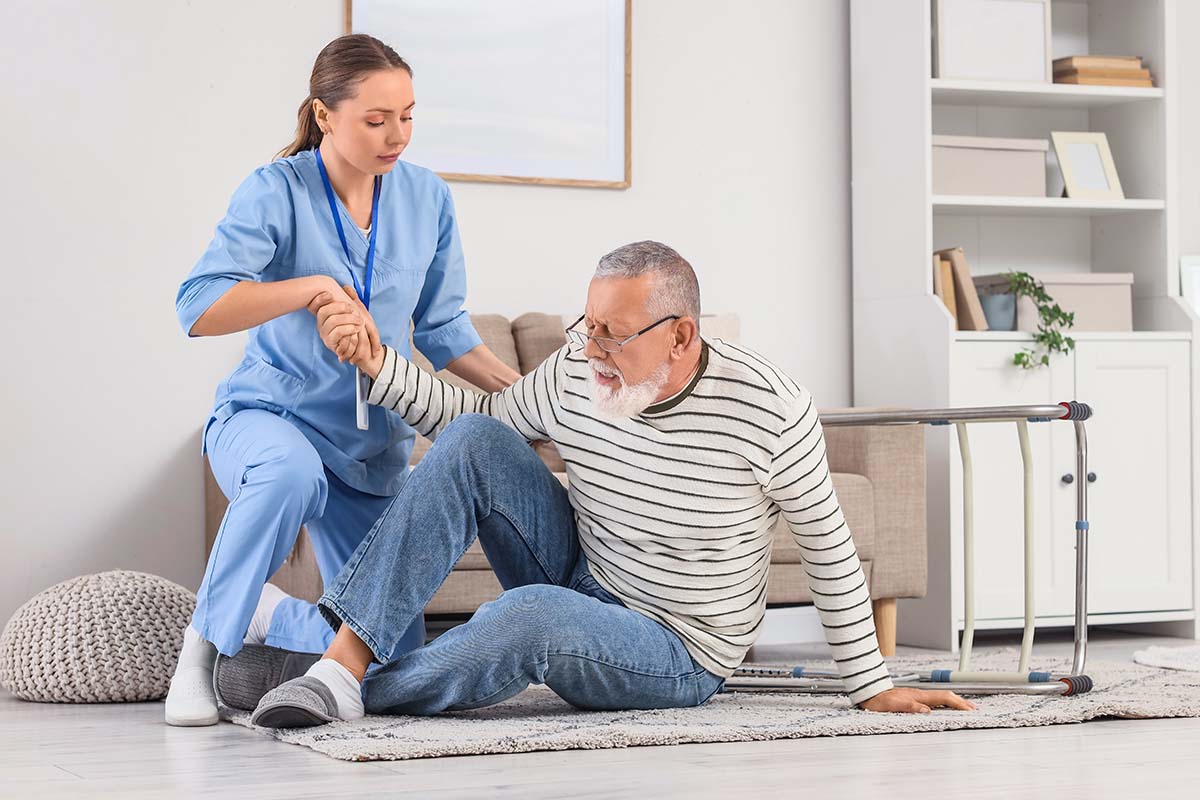 Staying steady on your feet can become more important as you get older. A fall can happen to anyone, sometimes during an ordinary moment such as getting out of bed, walking across a room or stepping outside.
The good news is that there are steps you can take to make your surroundings safer and support your mobility.
Keep walkways clear
Take a look around your home and pay attention to anything that could become a tripping hazard. Loose rugs, electrical cords, clutter and furniture placed in narrow walkways can make getting around more difficult.
Keeping frequently used areas open and easy to navigate can help reduce potential hazards. It may also be helpful to make sure stairs and hallways are well lit, especially in areas you use at night.
Pay attention to lighting
It is much easier to navigate your surroundings when you can see where you are going. Poor lighting can make steps, changes in flooring and other potential hazards harder to notice.
Consider using nightlights in hallways, bedrooms and bathrooms. Make sure commonly used areas have adequate lighting, and keep a lamp within easy reach of your bed if you need to get up during the night. Small changes to your lighting setup can make your home feel more comfortable and easier to navigate.
Choose footwear carefully
The shoes you wear can make a difference when you are moving around. Shoes that fit properly and provide appropriate support may be preferable to loose-fitting footwear or walking around in socks.
Stay active
Maintaining strength, balance and mobility can be an important part of staying independent. Regular physical activity may help support these abilities, depending on your individual health and fitness level.
Walking, strength exercises, stretching and balance-focused activities are examples of movement that some older adults incorporate into their routines.
You do not need to push yourself or take on an intense workout. The goal is to find activities that are appropriate for your abilities and that you enjoy enough to make part of your routine.
Make your bathroom safer
Bathrooms can become particularly challenging because water can make surfaces slippery. Simple safety improvements may help make the space easier to navigate.
Depending on your needs, options may include grab bars, nonslip surfaces, adequate lighting and other appropriate safety equipment. If you have the means, you might consider converting your shower and tub to a walk-in shower to make getting in and out easier. A healthcare professional or occupational therapist can help you identify changes that may be useful for your individual situation.
Take your time
Sometimes avoiding a fall is as simple as slowing down. Rushing to answer the phone, getting up quickly from a chair or trying to carry too many things at once can make it harder to stay steady.
Give yourself a moment when changing positions, particularly when getting out of bed or standing after sitting for a while. Keep frequently used items within easy reach so you do not have to stretch, climb or reach awkwardly.
If you feel dizzy or unsteady, stop and sit down somewhere safe rather than trying to push through it.
Talk with your healthcare provider about fall concerns
If you have fallen recently, feel unsteady or are worried about losing your balance, bring it up with your healthcare provider. There may be factors affecting your balance that are worth discussing.
Your healthcare provider can also review your medications, vision, mobility and other individual considerations that may affect your risk of falling.
There is no need to feel embarrassed about asking for help. Addressing concerns early can be an important part of maintaining your independence.
Consider a living environment designed around your lifestyle
Your home environment can have a big impact on how comfortable and confident you feel moving through your day. For some older adults, moving to a senior living community can provide an opportunity to simplify their surroundings and leave certain household responsibilities behind.
Enjoy independent living at Cordia at Grand Traverse Commons
Aging safely does not mean giving up the independence or activities you enjoy. It is about finding ways to make everyday life more comfortable while staying aware of your individual needs.
At Cordia at Grand Traverse Commons, Members enjoy a welcoming community where they can remain active, social and engaged. For older adults considering a move to senior living, having a comfortable environment, convenient amenities and opportunities to connect with others can make everyday life easier to enjoy. Cordia at Grand Traverse Commons offers a setting where residents can focus less on household responsibilities and more on the people, activities and experiences that make retirement rewarding.
If you would like to learn more about Cordia at Grand Traverse Commons, contact us today.
Please note: This article is intended for general educational purposes and is not a substitute for personalized medical or safety advice. Fall risks vary from person to person. Speak with your healthcare provider or another qualified professional about your individual circumstances and before beginning a new exercise or balance program.