Gentle ways to support strong bones and an active lifestyle
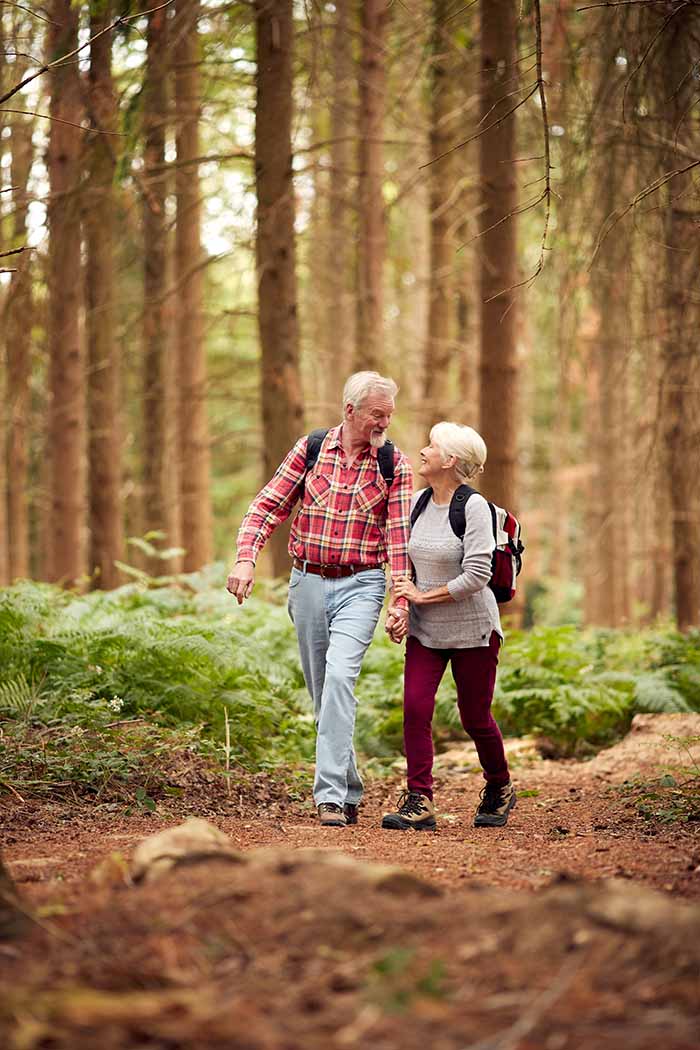 Staying active is an important part of enjoying life as we get older. Regular movement helps support strength, balance and mobility, which can make everyday activities more comfortable and enjoyable.
Bone health deserves attention, too. As we age, maintaining strong bones becomes increasingly important. While exercise is only one part of overall bone health, certain types of physical activity can help support healthy bones and muscles.
If you are considering a move to a senior living community, having opportunities to stay active are an added benefit. Here are some general types of movement that may support bone strength and overall fitness.
1. Walking
Walking is one of the simplest ways to incorporate weight-bearing activity into your day. It does not require special equipment, and you can generally adjust the pace and distance to suit your comfort level.
A walk around the community, through a nearby park or with a friend can also be a pleasant way to get some fresh air and social time.
If walking is new to you or you have concerns about your balance or mobility, consider talking with a qualified healthcare professional about what level of activity is appropriate for you.
2. Chair exercises
Not every workout needs to involve standing. Seated exercises can provide an accessible way to incorporate movement into your routine.
Depending on your abilities and guidance from a qualified professional, chair-based movements may include gentle leg extensions, seated marching or controlled upper-body movements.
The goal is to move comfortably and avoid pushing beyond your current abilities. A sturdy chair placed on a stable surface can provide support, but it is important to use equipment appropriately and follow professional guidance when needed.
3. Strength training
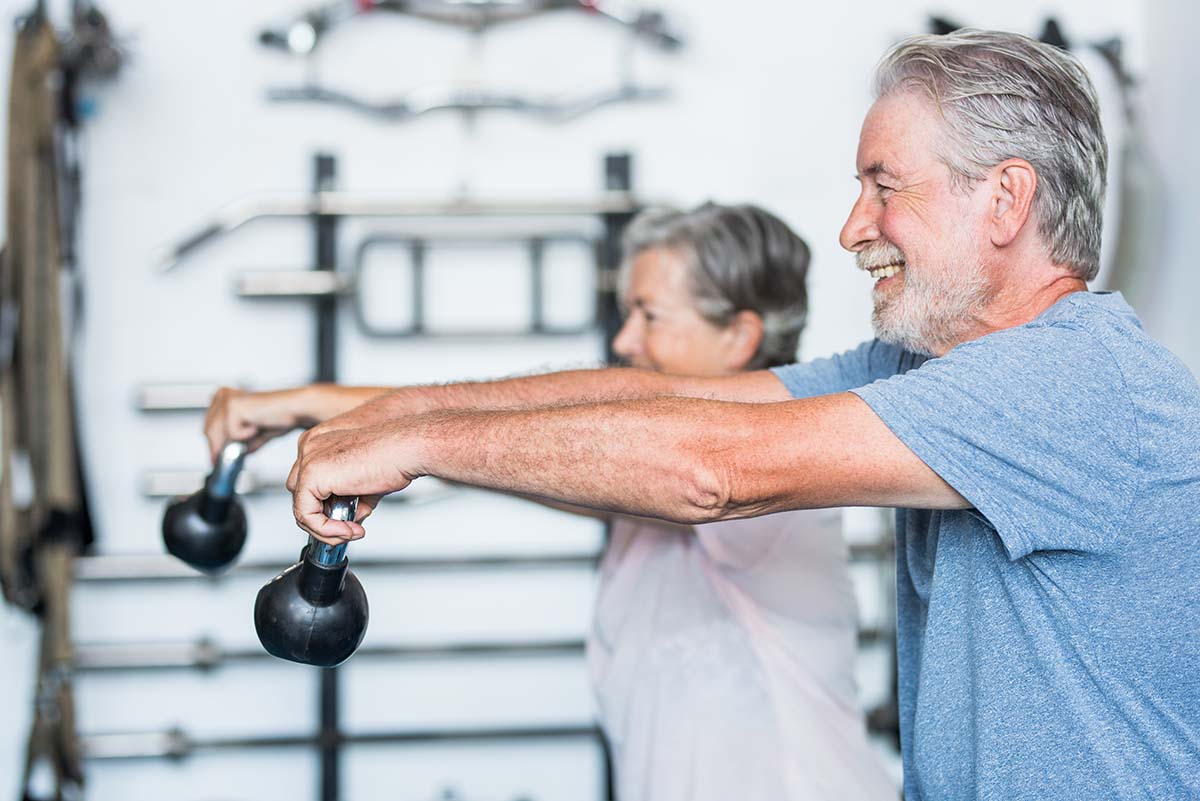 Strength training can help support muscles, which play an important role in maintaining mobility and stability. Exercises may involve light weights, resistance bands or body weight.
If you are new to strength training, consider starting with guidance from a qualified fitness professional who has experience working with older adults. They can help you learn appropriate techniques and choose exercises suited to your individual needs.
4. Sit-to-stand movements
Getting up from a chair is something we do throughout the day, making controlled sit-to-stand movements a practical way to work on lower-body strength.
When performed appropriately, this type of movement can engage the legs and hips. However, it may not be appropriate for everyone, particularly those with balance concerns or certain physical limitations.
If you are considering adding sit-to-stand exercises to your routine, ask a healthcare provider or qualified fitness professional to show you a safe technique based on your individual circumstances.
5. Low-impact dancing
Exercise does not have to feel like exercise. Dancing can be an enjoyable way to get moving while listening to music and spending time with other people.
For older adults who enjoy dancing, low-impact movements can provide an opportunity to stay active while having fun. Choose movements that feel comfortable and avoid steps or routines that could increase your risk of losing your balance.
A community dance class can also be a great way to meet neighbors and make exercise a social activity.
5. Balance and flexibility activities
Balance and flexibility are important parts of maintaining an active lifestyle. Activities such as gentle stretching or appropriately modified balance exercises may help support mobility and body awareness.
Because balance abilities vary considerably from person to person, it is especially important to use caution with exercises that involve standing on one foot, changing positions quickly or moving without support.
A qualified professional can help determine which activities are appropriate for your abilities and demonstrate how to perform them safely.
6. Listen to your body
There is no prize for doing the most repetitions or completing the most challenging workout. When exercising, pay attention to how you feel and work within your own abilities.
Stay active and connected at Cordia at Grand Traverse Commons
Finding enjoyable ways to stay active can be an important part of making the most of retirement. Just as important, having opportunities to connect with other people can make an active lifestyle more enjoyable and sustainable.
At Cordia at Grand Traverse Commons, Members enjoy a community environment with opportunities to stay engaged, socialize and pursue an active lifestyle. For older adults considering a move to senior living, having activities and amenities close to home can make it easier to build movement and social connection into everyday life. As you explore your options, make sure you look for a community that supports your interests while allowing you to maintain your independence and choose the activities that feel right for you.
Disclaimer: If something causes pain, dizziness, unusual shortness of breath or another concerning symptom, stop the activity and seek appropriate medical advice. Anyone with osteoporosis, a history of fractures, significant balance concerns, recent surgery or another health consideration should speak with their healthcare provider before beginning a new exercise program.
The exercises and activities discussed here are general examples for educational purposes. They are not a substitute for medical advice, diagnosis or individualized instruction. A healthcare provider or qualified exercise professional can help you determine what types and levels of activity are appropriate for you.